

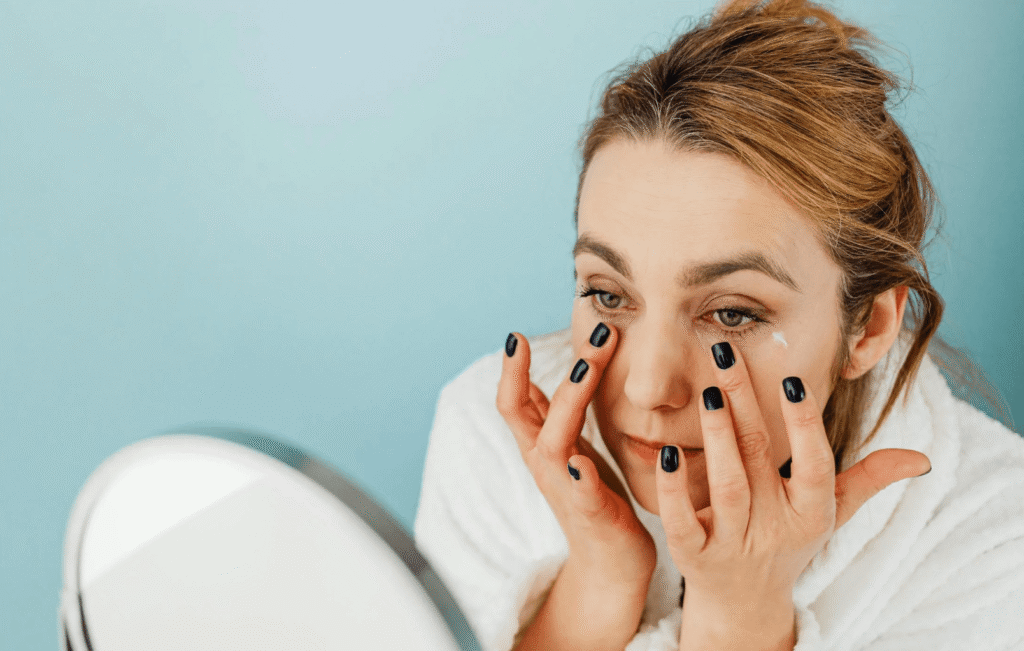
You already try to get enough sleep, but your face still looks off. Your skin feels dull. Your eyes look heavier. And no matter what you do, you don’t feel as fresh as you should.
It’s confusing.
Because technically, you did sleep. You went to bed. You stayed in bed long enough. But something didn’t restore you.
And your face is showing it.
This isn’t about how long you sleep.
It’s about what happens when your sleep cycle is broken.
The First Change You Notice in the Mirror
When your sleep cycle is disrupted, the first thing that changes is subtle.
Your face doesn’t look “bad.” It just looks less alive.
Your eyes feel slightly heavier. Your skin tone looks a bit uneven. Your natural glow fades just enough for you to notice something is off.
This happens because your body didn’t fully complete its recovery process overnight.
Your system needs structured cycles of deep sleep to repair, rebalance, and reset. When that cycle is interrupted or misaligned, the process becomes incomplete.
And your face reflects that immediately.
Why Your Eyes Lose Their Natural Brightness
Your eyes are one of the most sensitive indicators of your internal state.
When your sleep rhythm is broken, your nervous system doesn’t fully relax. Your muscles stay slightly tense. Your hydration balance shifts.
This affects the area around your eyes first.
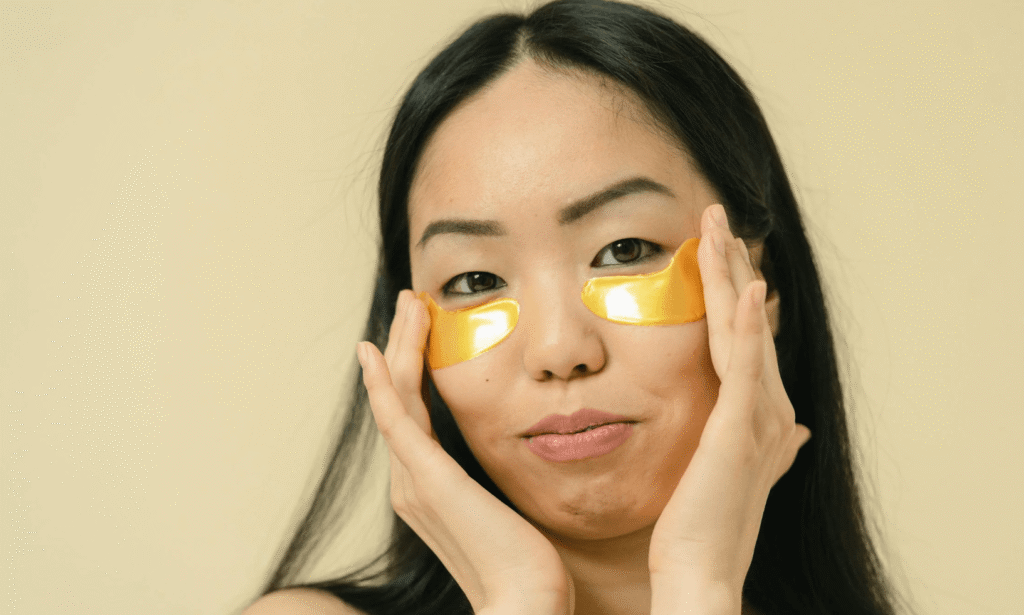
They may look more tired. Slightly darker. Less open.
Not dramatically.
But enough to change how your entire face is perceived.
Because brightness in your eyes creates presence. And when that fades, everything feels different.
The Hidden Tension You Don’t Realize You Carry
Sleep disruption doesn’t just affect energy.
It affects tension.
When your body doesn’t fully recover, small areas of tension remain. Your jaw may tighten slightly. Your forehead may hold subtle stress. Your expressions become more controlled without you noticing.
This creates a different look.
Your face feels less relaxed. Less soft. Less natural.
And this changes how others perceive you.
Not because your features changed.
But because your state did.
Why Your Skin Looks Dull Even After Rest
Your skin depends on circulation, hydration, and deep recovery.
When your sleep cycle is inconsistent, your body struggles to regulate these processes efficiently. Blood flow becomes less optimal. Skin repair slows down. Your natural glow decreases.
This creates a flat appearance.
Your skin may look fine up close. But overall, it feels less vibrant. Less fresh.
And because it’s subtle, it becomes frustrating.
You know something is different.
But you can’t pinpoint exactly what.
What Happens When Your Sleep Cycle Is Aligned
When your sleep cycle is stable, everything changes quietly.
Your body enters deeper recovery. Your muscles relax fully. Your circulation improves. Your skin receives better support.
And your face reflects it.
Your eyes look clearer. Your skin feels more even. Your expressions become softer and more natural.
You don’t need to force anything.
Because your body is finally doing what it’s designed to do.
You don’t need more sleep to fix this. You need better timing. Better rhythm. Better alignment. Once your sleep cycle becomes consistent, your energy stabilizes. Your mind clears. And your face naturally returns to a more refreshed state.
At the end of the day, your appearance is a reflection of your internal system. When your sleep is broken, your face shows it. But when your rhythm is aligned, everything improves without effort.
That’s the difference.
Not more sleep.
Better sleep.