

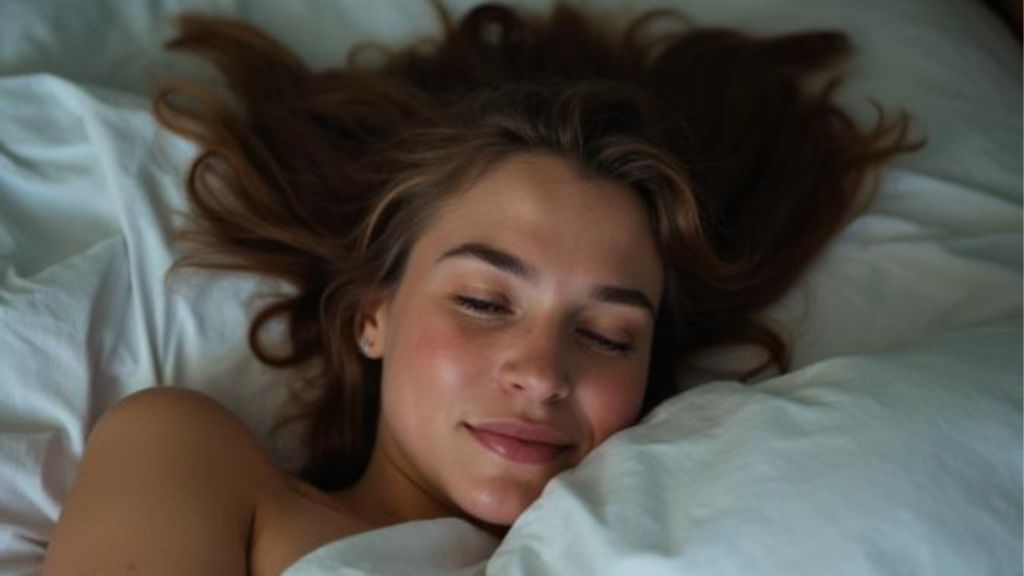
You already tried to rest more over the weekend, but you still wake up on Monday looking and feeling drained. Your skin looks dull. Your eyes feel heavier. And somehow, your reflection doesn’t match the extra hours of sleep you gave yourself.
It’s confusing. You did the “right thing.” You slept more. You relaxed. Maybe you even stayed in bed longer than usual. But instead of feeling refreshed, something feels off.
This isn’t random. And it’s not just about sleep.
There’s a hidden shift happening in your body over the weekend that quietly affects how your face looks, how your energy feels, and how you show up on Monday.

The Weekend Sleep Pattern That Tricks Your Body
On weekends, your schedule changes. You sleep later. You wake up later. Maybe you stay up scrolling, watching something, or just enjoying the freedom of not having to wake up early.
It feels harmless. Even deserved.
But your body runs on a rhythm. And when that rhythm shifts too much, even for just two days, your internal system gets confused. Your brain no longer knows when to feel alert and when to feel tired.
This creates a subtle misalignment.
So when Monday comes, your body might still think it’s supposed to be asleep. Even if you technically slept enough hours, the timing is off. And timing matters more than people realize.
This is why your energy feels slower, and your face looks less alive.
Not because you didn’t rest, but because your system lost consistency.
Why Your Face Looks Duller Even After “More Sleep”
Your face reflects your internal state more than your total sleep time.
When your sleep schedule is inconsistent, your nervous system stays slightly unsettled. Your body doesn’t fully enter deep recovery mode the way it should.
This affects circulation, hydration balance, and even how your muscles relax.
Your eyes may look more tired. Your skin may lose that natural glow. Your face may feel slightly tense without you noticing it.
It’s not dramatic. But it’s enough.
And because Monday is usually more structured and demanding, that contrast becomes even more visible. You suddenly feel like you look worse, even though nothing extreme actually happened.
This is the hidden effect of disrupted sleep rhythm.

The Invisible Stress Your Body Carries Into Monday
Even if your weekend felt relaxing, your body may still carry a form of stress into Monday.
It’s not emotional stress. It’s biological.
When your sleep timing shifts, your cortisol rhythm shifts too. Cortisol is your alertness hormone. It’s supposed to rise naturally in the morning to help you feel awake and focused.
But when your sleep pattern is off, this rise becomes delayed or weaker.
That’s why you feel slow, unfocused, and slightly disconnected.
And this internal sluggishness shows up externally.
Your posture becomes less open. Your facial expressions become more controlled. Your eyes lose some of their natural brightness.
You may not notice these changes directly. But you feel them.
And that feeling becomes your perception of looking “more tired.”
The Small Weekend Habits That Quietly Make It Worse
There are a few small habits that amplify this effect without you realizing it.
Staying up late with screens exposes your eyes to artificial light, which delays your body’s natural sleep signals. Even if you fall asleep later, the quality of your rest may drop.
Sleeping too much can also create a heavy, sluggish feeling. Your body prefers rhythm over excess.
Irregular meal timing, less hydration, and reduced movement during the weekend also play a role. These small shifts affect how your body regulates energy and how your skin maintains its freshness.
Individually, they seem harmless.
But together, they create a noticeable difference by Monday.
And that’s when you start questioning your appearance.

The Simple Reset That Brings Your Face Back to Life
The good news is this doesn’t require a complicated fix.
You don’t need a perfect routine. You need a consistent signal.
Start by waking up at roughly the same time every day, even on weekends. This alone helps your body maintain a stable rhythm.
Expose yourself to natural light early in the morning. This tells your brain it’s time to be alert. It resets your internal clock faster than anything else.
Keep your evenings slightly more structured. You don’t need to eliminate enjoyment, but reducing late-night overstimulation can make a huge difference.
Hydration and light movement on weekends also help your body stay in balance.
These are simple shifts. But they directly impact how your face looks and how your energy feels.
Because when your system is aligned, your body naturally returns to a more relaxed and refreshed state.

Why Consistency Feels More Attractive Than Effort
Most people try to fix tiredness by adding more effort.
More sleep. More products. More adjustments.
But what your body really needs is stability.
When your internal rhythm is steady, your face naturally looks more relaxed. Your eyes feel more open. Your expressions become softer without force.
This creates a different kind of presence.
Not forced. Not controlled. Just natural.
And that’s what people respond to.
Before trying to fix how you look, it’s worth looking at how your system flows from day to day.
Because sometimes, the reason you look tired isn’t lack of effort.
It’s a lack of alignment.
Take a moment this week to observe your weekends. Not to restrict yourself, but to understand your patterns. Small awareness leads to small adjustments. And those small adjustments can completely change how you feel on Monday.
You don’t need to chase energy. You just need to stop disrupting it.
At the end of the day, your appearance is not just about what you do in front of the mirror. It’s about how your body feels internally. When your rhythm is stable, your energy flows better. And when your energy flows, your face reflects it naturally.
That’s the difference people notice. Not perfection, but ease. Not effort, but alignment. And once you experience that shift, you’ll realize it was never about sleeping more. It was about sleeping right.